 Loops House
The Last-Mile Spoilage Trap
Coordinating Perishable Surplus & Fragile Aid Under Uncertainty

Vibeathon ’26
Team
1 member- AAOwner
Aaryaraj Patil
Overview
The Ground Reality Every night across major cities—and during urban emergencies like flash floods—hundreds of restaurants, hostel messes, and pharmacies attempt to donate untouched cooked food, short-life medical supplies, and essential kits to night shelters and relief camps. Despite having enough donors and volunteer two-wheeler riders, nearly 40% of perishable aid is wasted or causes harm on the ground due to coordination blind spots.
First, bulk supply rarely matches single-point demand or transport capacity: a banquet hall may have 180 cooked meals that will spoil in 75 minutes, while a single volunteer rider can only carry 40 meals on a scooter, and nearby Shelter A only has space for 50 people. Second, "well-meaning" claims often stall the network: a volunteer or NGO claims a batch on their phone to reserve it, gets stuck in traffic or goes unresponsive for 30 minutes, and by the time they cancel, the food sits unclaimed at the donor’s gate with only 15 minutes of safe shelf-life left—making it impossible for anyone else to pick up and deliver before it turns unsafe.
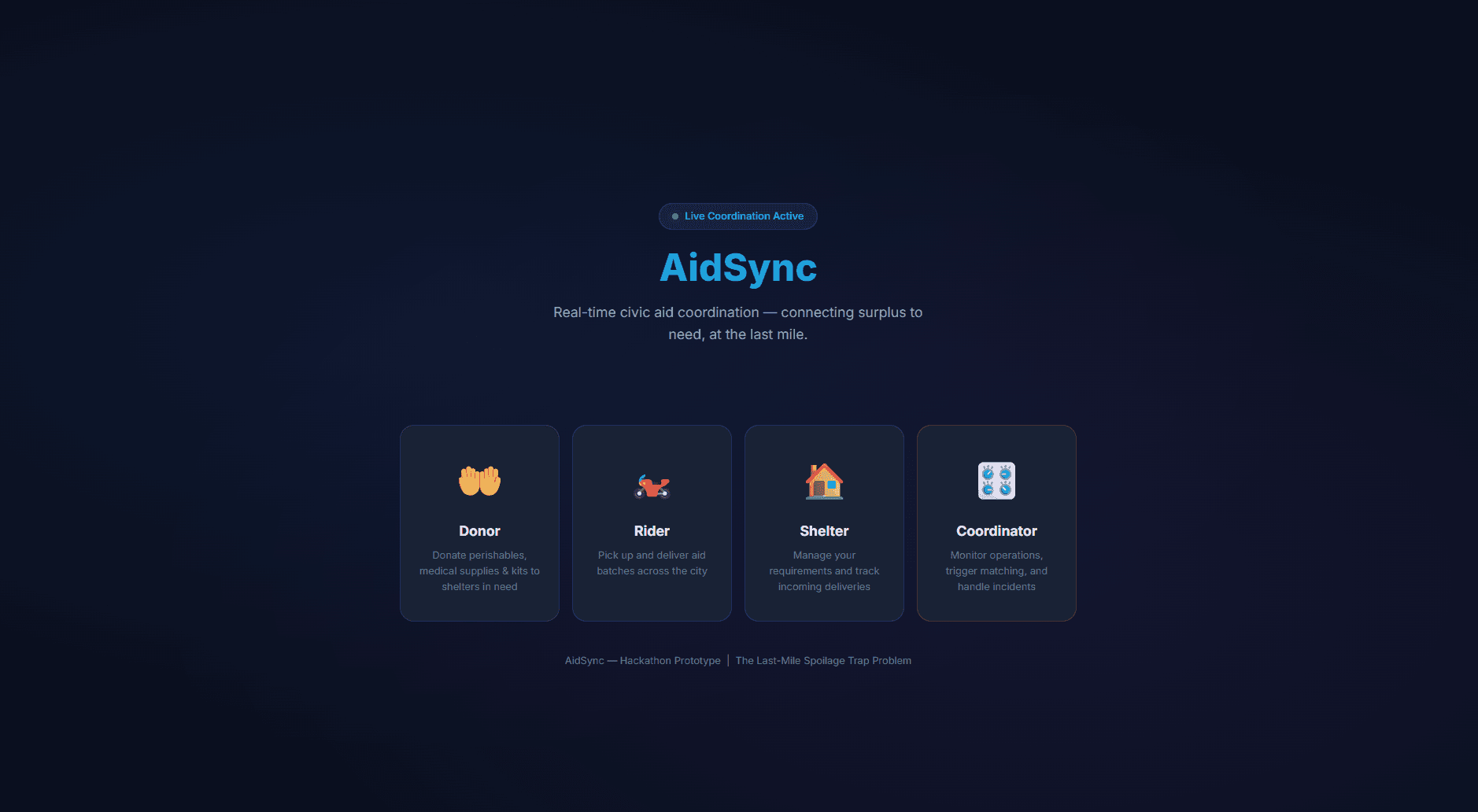
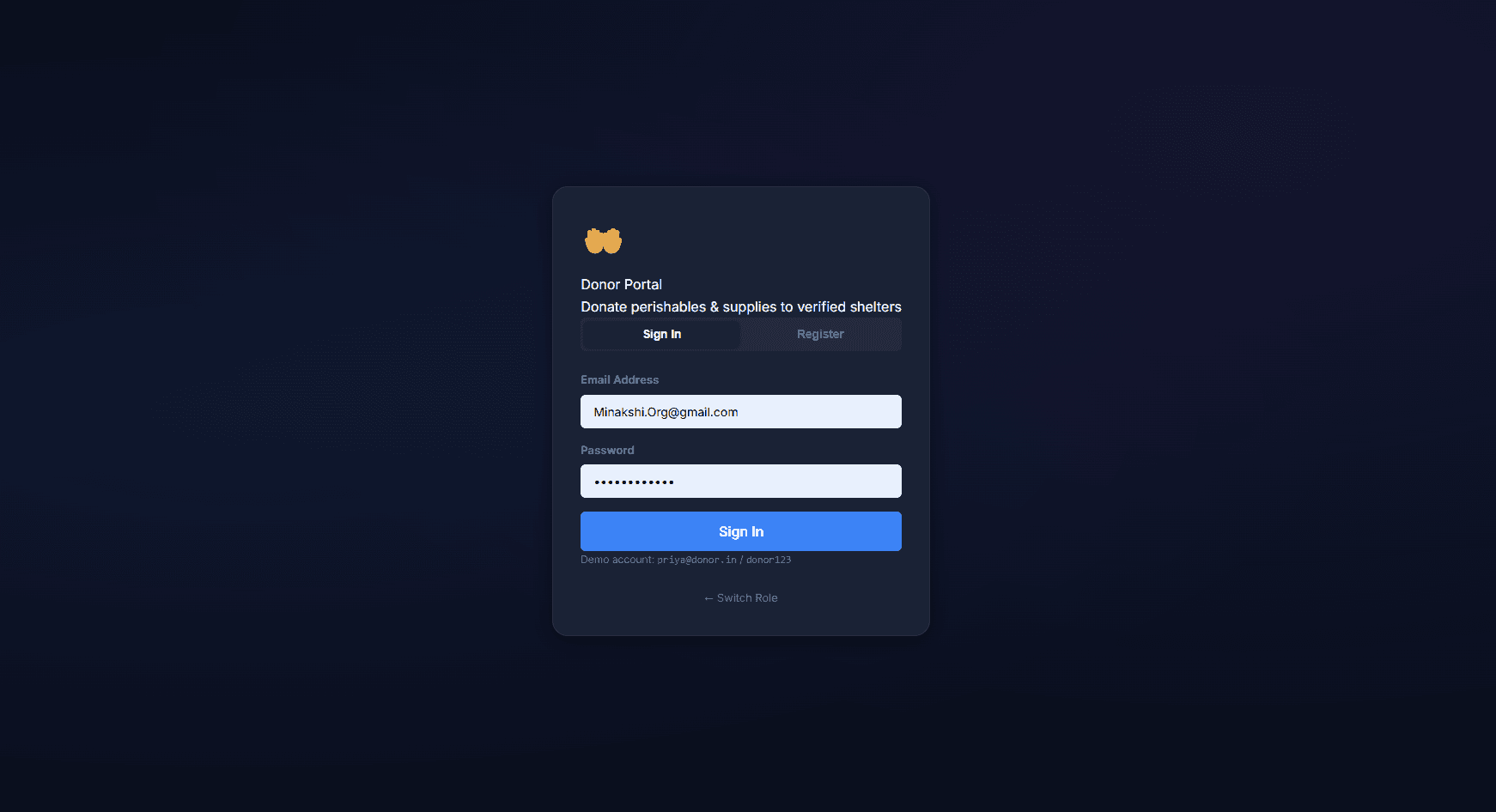
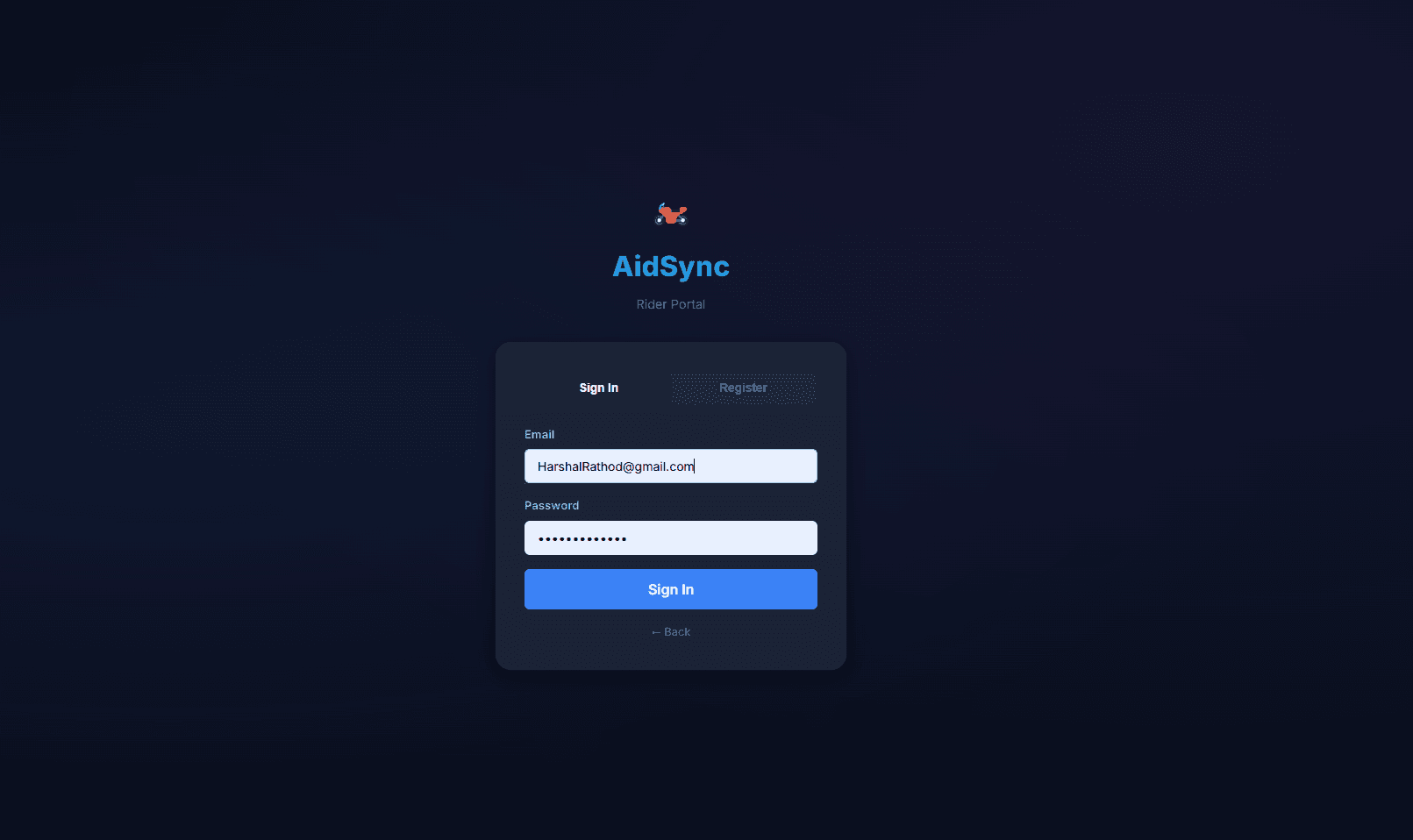
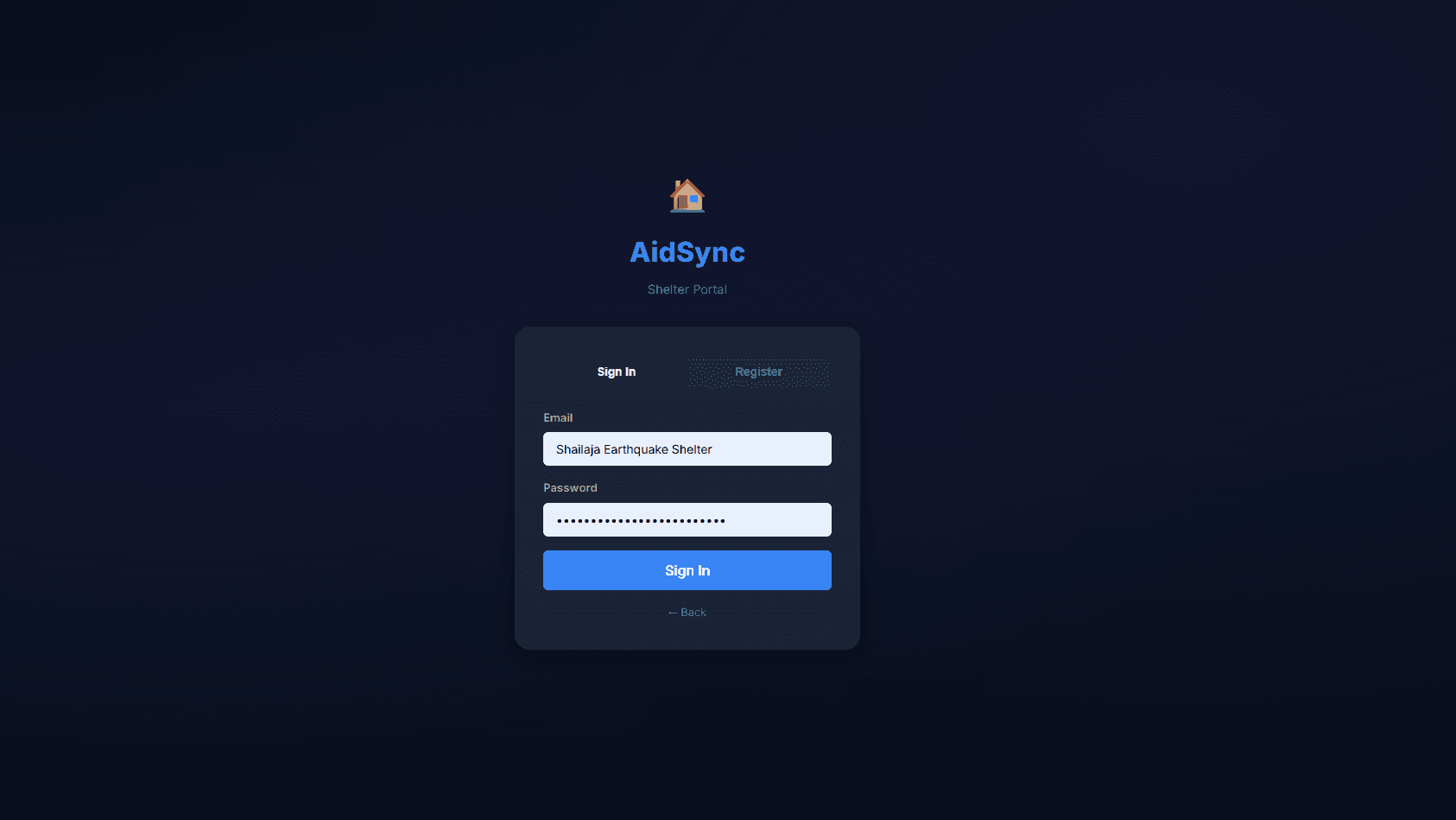
Third, ground conditions change mid-journey: while a volunteer is halfway to Shelter A carrying 40 meals, a local citizen drops off food directly at Shelter A, filling its requirement completely—leaving the incoming rider stranded with ticking perishable cargo and no fallback destination. Furthermore, some supplies have strict dependency rules (e.g., dispatching raw ration kits or infant formula to a site that currently lacks clean water or cooking fuel is counterproductive). Your Mission Engineer a real-time coordination, dispatch, and safety-enforcement platform that connects donors, volunteer riders, and receiving shelters. Your system must treat time, transport capacity, compatibility, and human unreliability as active variables—preventing spoiled deliveries, eliminating "ghost reservations," and dynamically recovering when riders or receiving centers change status mid-operation.