Solace
AI-Powered Reliability Intelligence for Modern Software
Links
Additional info
How was your experience building with Codex?
it was really good , learnt a lot of new things
Describe your experience using Loops House as the hackathon platform. What worked well, what challenges (if any) did you face, and what improvements would you like to see?
What worked well: Loops House made team communication and project tracking easy. The interface was clean, and having all updates, submissions, and announcements in one place reduced context switching. Challenges faced: Occasional navigation confusion when switching between project dashboard and resource sections. The learning curve for first-time users could be smoother. Improvements suggested: Add a built-in timer or deadline tracker for submissions, and improve mobile responsiveness for checking updates on the go.
Tell us about your overall experience at Codex Community Hackathon Pune.
Overall, the Codex Community Hackathon Pune was an energizing and well-organized event. The venue had great energy, the volunteers were helpful, and the networking opportunities with other builders were valuable. I appreciated the focus on real-world problem solving rather than just flashy demos. The food and breaks were well-timed, and the judging process felt fair and transparent. It was a great environment to build, learn, and connect.
What could Codex Community improve to create a better experience for participants?
More workspace and power outlets – The venue got crowded, and finding available power sockets was difficult at peak times. Clearer judging criteria upfront – Sharing the rubric before submission day would help teams align their demos better. Earlier API/mentor access – Having mentors available from hour one, not just after the first checkpoint. Post-hackathon support – A follow-up session on next steps (open source contributions, internship opportunities, or incubation paths) would add long-term value. Hardware/sponsor resource docs – A shared folder with sponsor API docs, keys, and setup guides would reduce time spent hunting for information.
Team
1 member- SHOwner
Shivani Kinagi
Overview
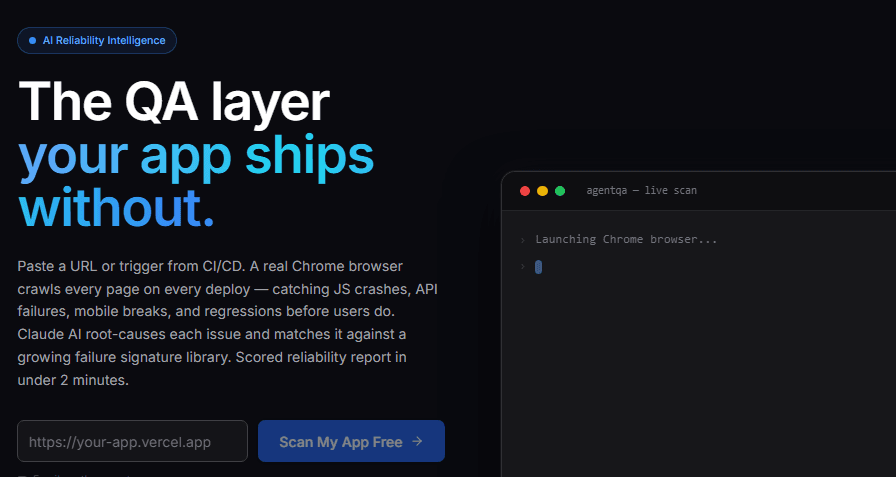
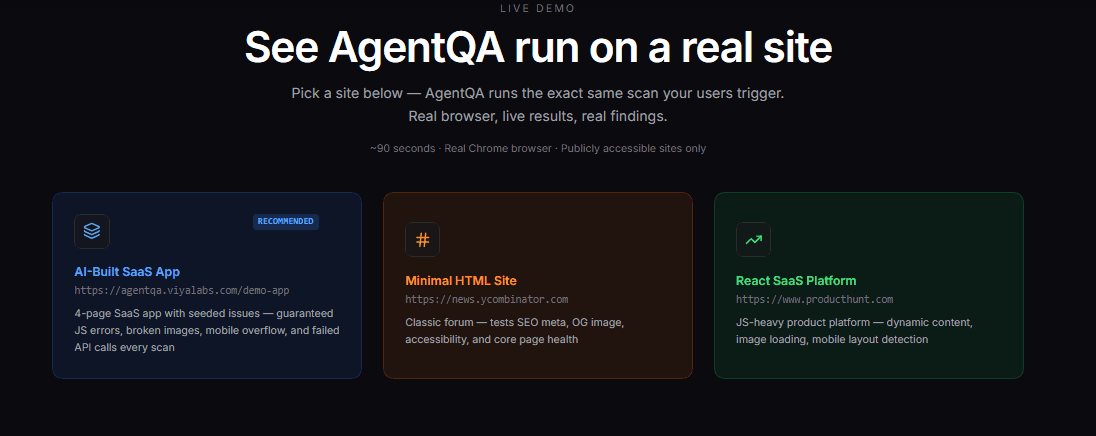
Solace is an AI-driven software reliability platform that helps developers detect, diagnose, and prevent application failures before they reach users. Built for AI builders, startups, SaaS teams, and development agencies, Solace performs real-browser testing using Playwright to automatically discover issues such as JavaScript crashes, failed API requests, mobile responsiveness problems, accessibility violations, broken images, SEO issues, and performance bottlenecks.
Users simply provide a website URL or trigger a CI/CD workflow, and Solace scans the application in a real Chrome environment. Within minutes, it generates a comprehensive reliability report containing screenshots, severity-based issue classification, AI-generated root-cause analysis, confidence scores, and developer-ready fix recommendations.
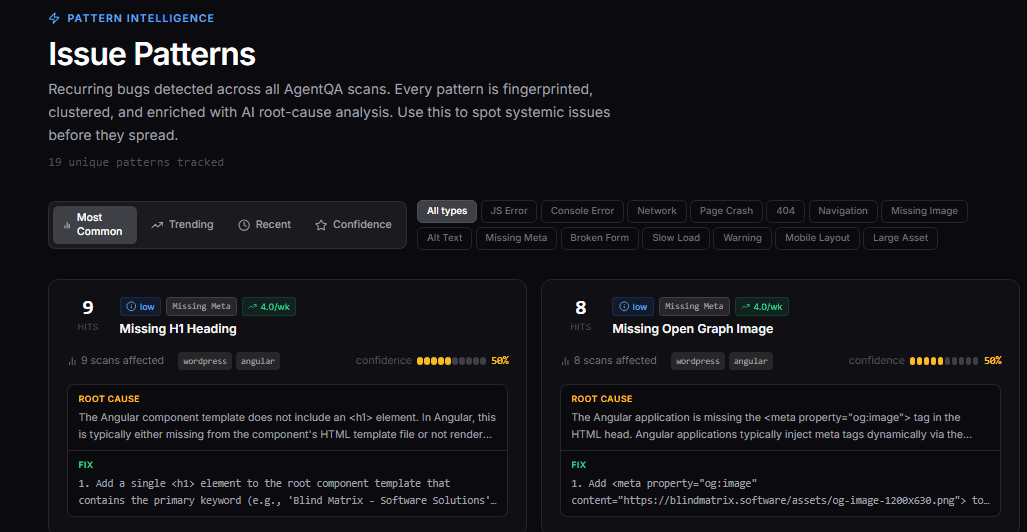
Beyond issue detection, Solace continuously learns from software failures through Pattern Intelligence, a system that fingerprints, clusters, and remembers recurring bugs across scans. This enables faster diagnosis, regression detection, and increasingly accurate recommendations over time.