SentinelOps
Approval-gated DevOps automation for Codex.
Links
Additional info
How was your experience building with Codex?
Building with Codex was extremely productive. It felt less like using a chatbot and more like working with an engineering partner that could understand the repo, update files, run tests, create a dashboard, connect Slack/GitHub workflows, and help shape the pitch. The biggest value was speed with structure: Codex helped us move from idea to CLI, skills, dashboard, approval flow, tests, and presentation very quickly.
Describe your experience using Loops House as the hackathon platform. What worked well, what challenges (if any) did you face, and what improvements would you like to see?
Loops House made the hackathon flow clear and focused. The project submission structure helped us think about the idea, pitch, and demo in a polished way. The skill-based hackathon context was useful for aligning the project with the Codex theme. One challenge we faced was that the project fetch/update command returned Forbidden, so we handled the final preparation locally. An improvement would be clearer error messaging and a visible way to debug submission permissions.
Tell us about your overall experience at Codex Community Hackathon Pune.
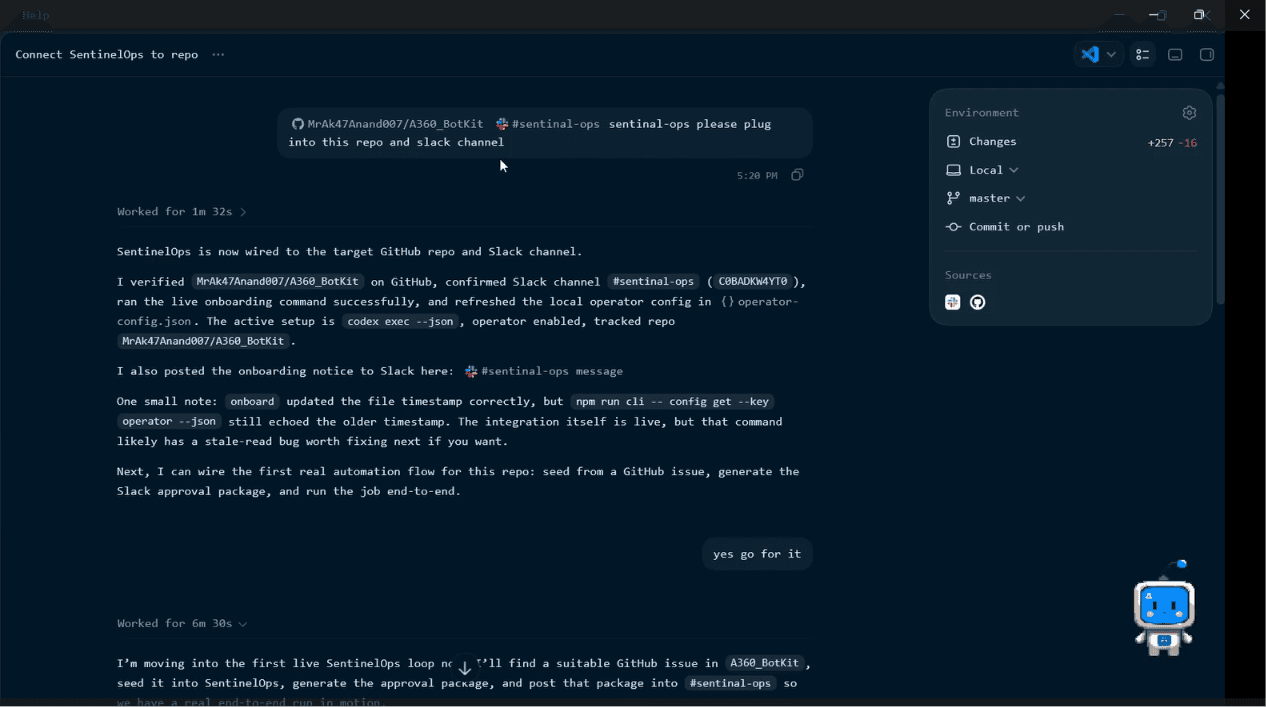
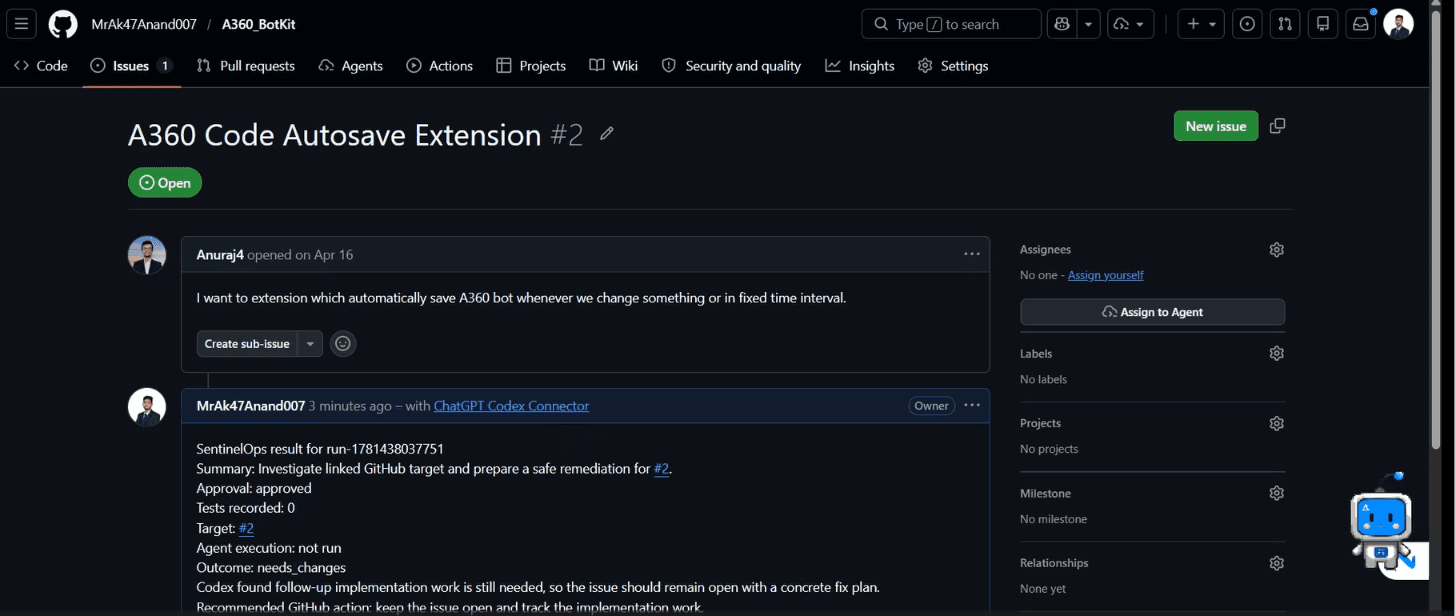
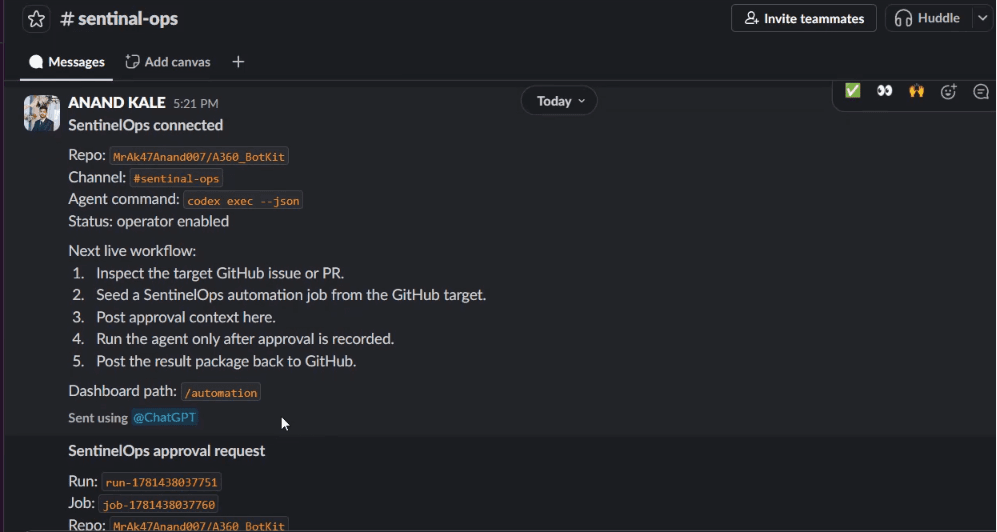
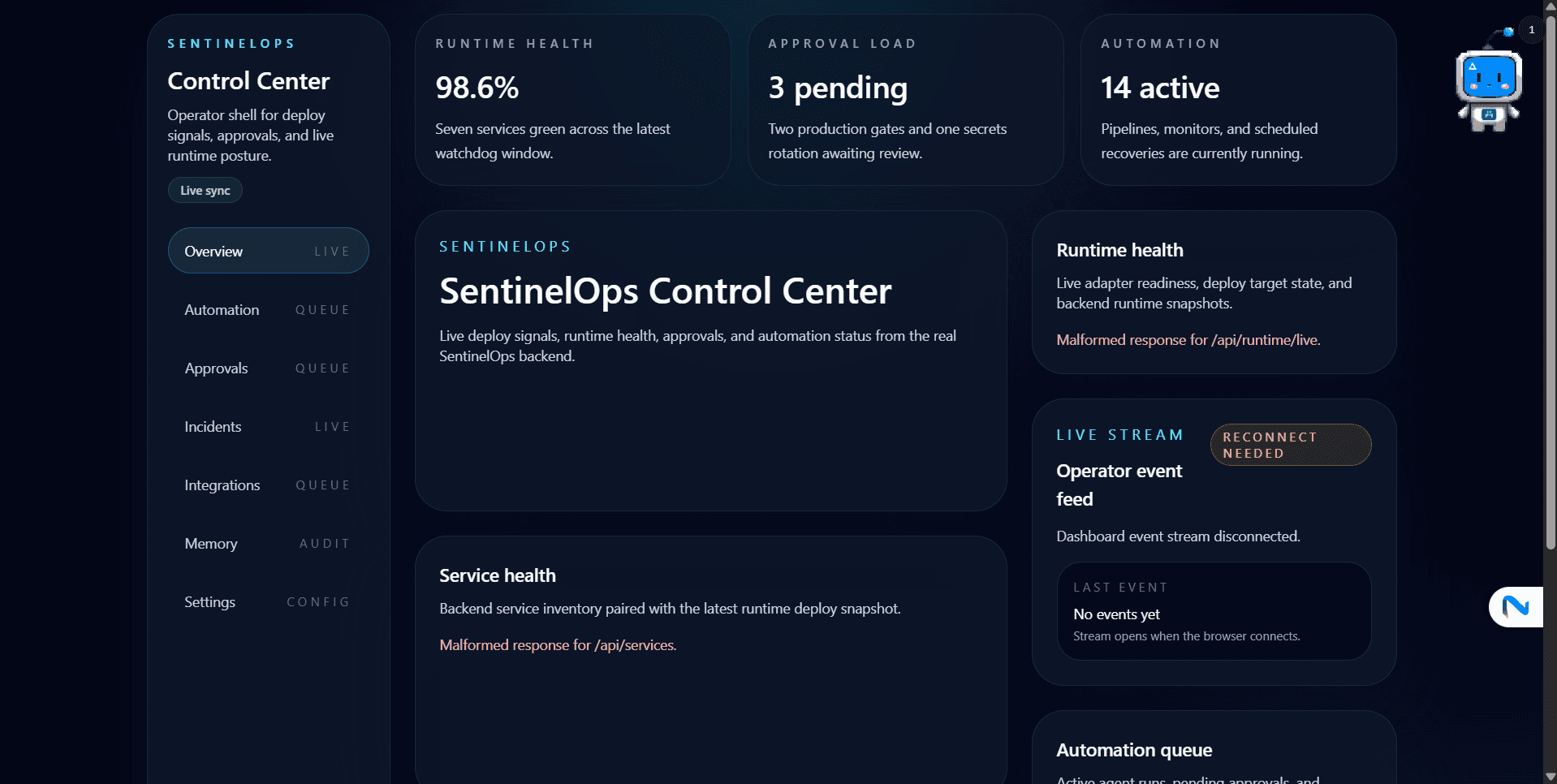
The overall experience was exciting and intense. The theme pushed us to think beyond normal apps and focus on how agents can orchestrate real software workflows. We built SentinelOps, a Codex-native DevOps control plane with CLI, skills, dashboard, Slack approval, GitHub workflow, testing evidence, and push gates. It was a great environment to explore practical agentic coding and turn a raw idea into a working hackathon-ready product.
What could Codex Community improve to create a better experience for participants?
Codex Community can improve by giving participants a clearer starter guide for skills, plugins, and submission workflows before the hackathon starts. A short checklist for setup, authentication, GitHub/Slack connections, and demo submission would help teams move faster. It would also be useful to have clearer error messages on the hackathon platform when project access or submission permissions fail, plus a few sample winning project demos to help participants understand the expected quality bar.
Team
1 member- SOOwner
Sonu Vishwakarma
Overview
SentinelOps is a Codex-native DevOps operating layer that helps Codex investigate logs, alerts, GitHub issues, and PR failures, then prepare safe fixes through a plan-test-approval-push workflow. For the hackathon, SentinelOps uses a dummy observability dashboard instead of real Grafana/Loki. The dashboard shows services, logs, alerts, deploy events, incidents, and linked GitHub issues or PRs. Codex reads that context, uses GitHub and Slack plugins, creates a risk-scored plan, prepares a local patch, runs tests, requests Slack approval, and updates GitHub only after the SentinelOps push gate passes. The goal is to remove manual fixing while keeping human approval, responsibility, and auditability for risky DevOps actions.